360 Communities - Lewis House
Eagan, Minnesota
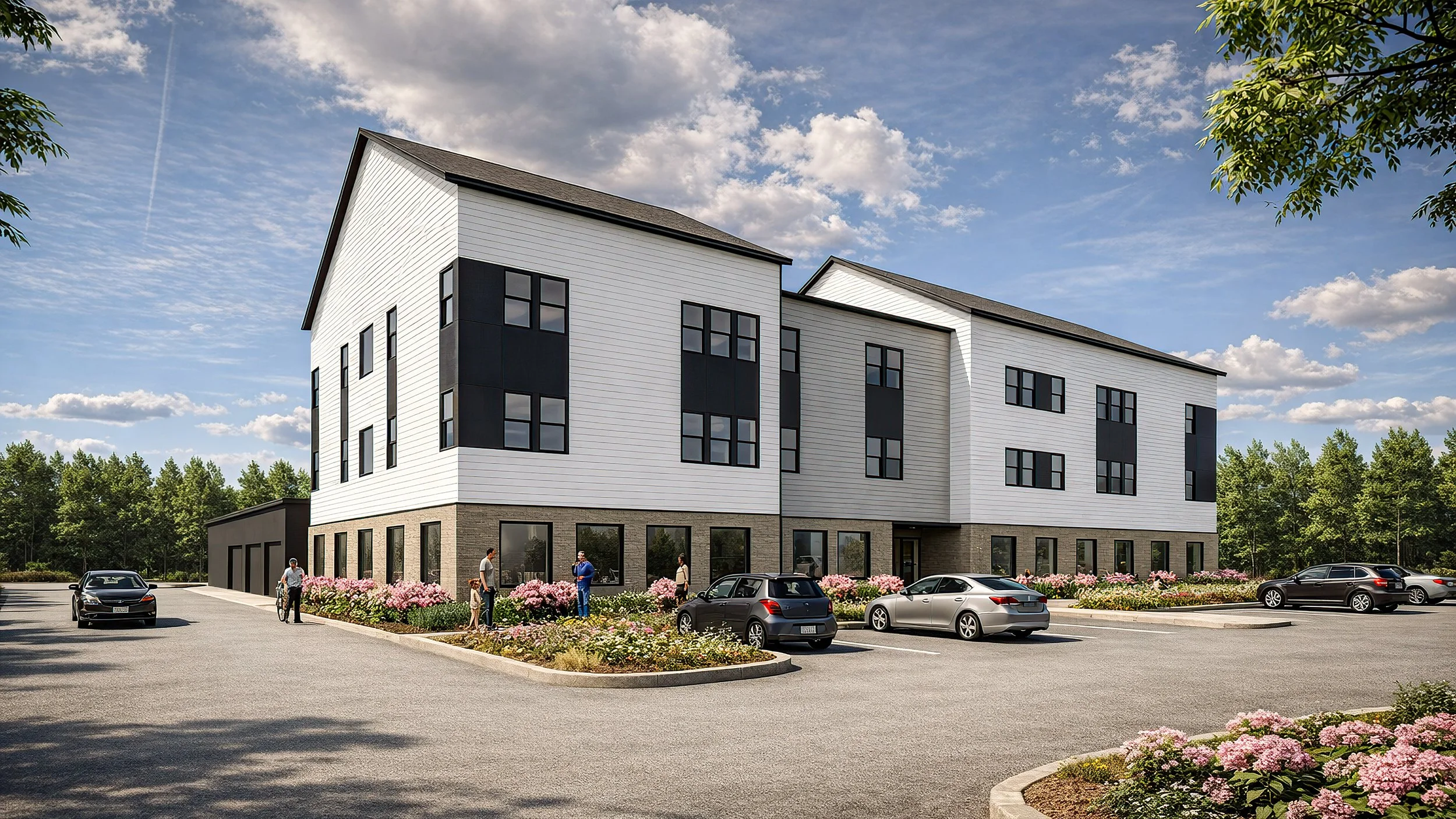
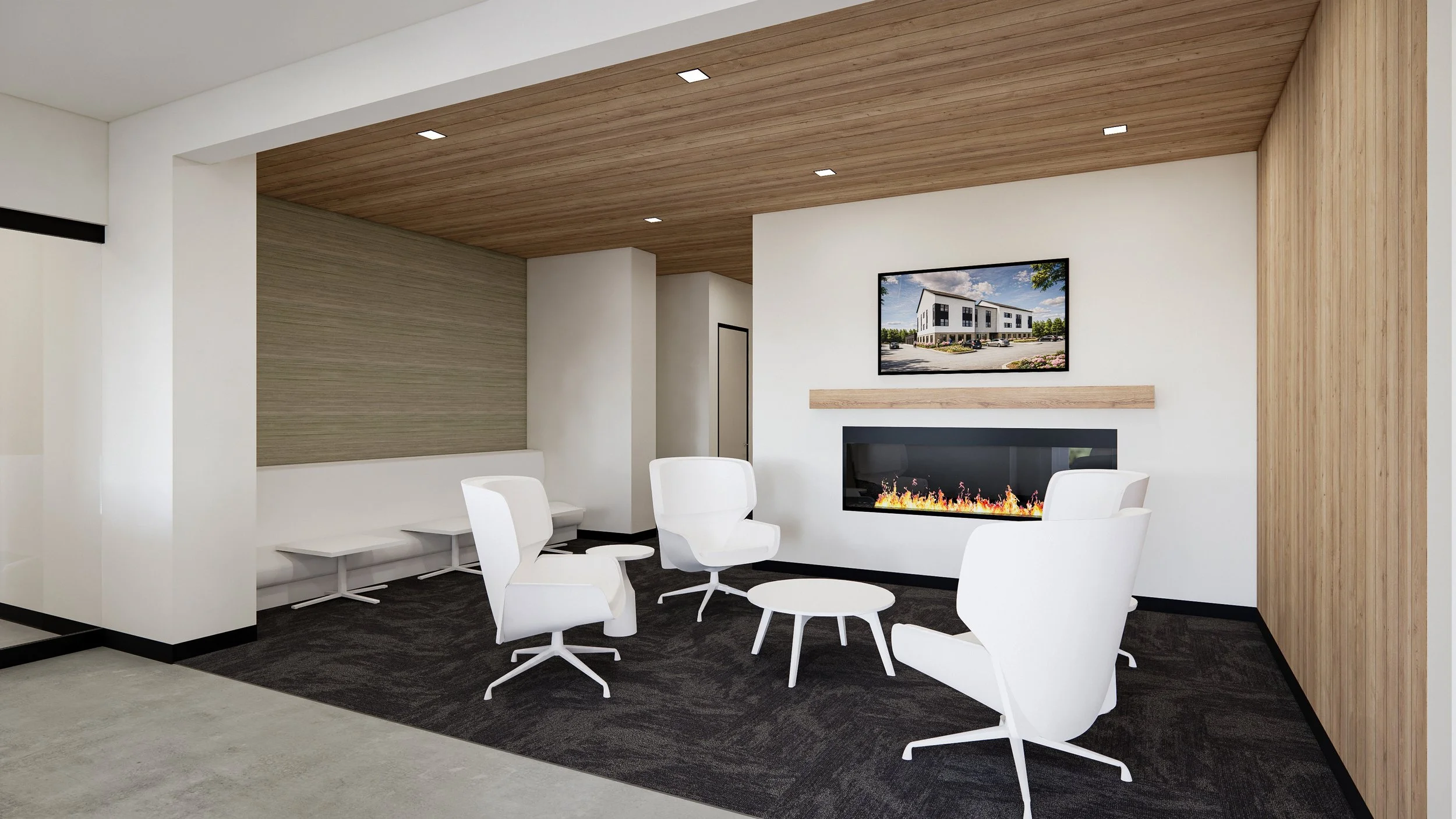
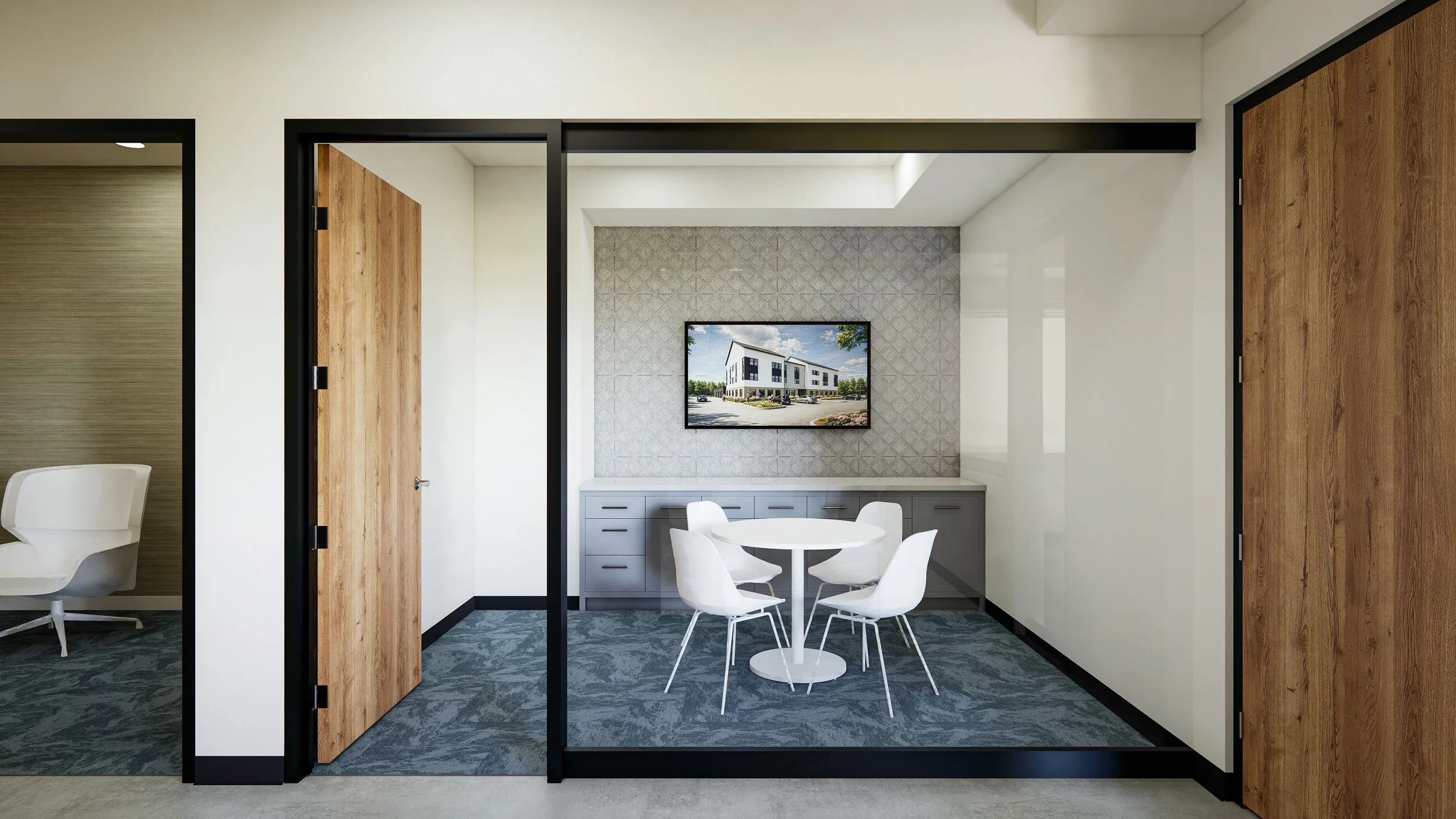
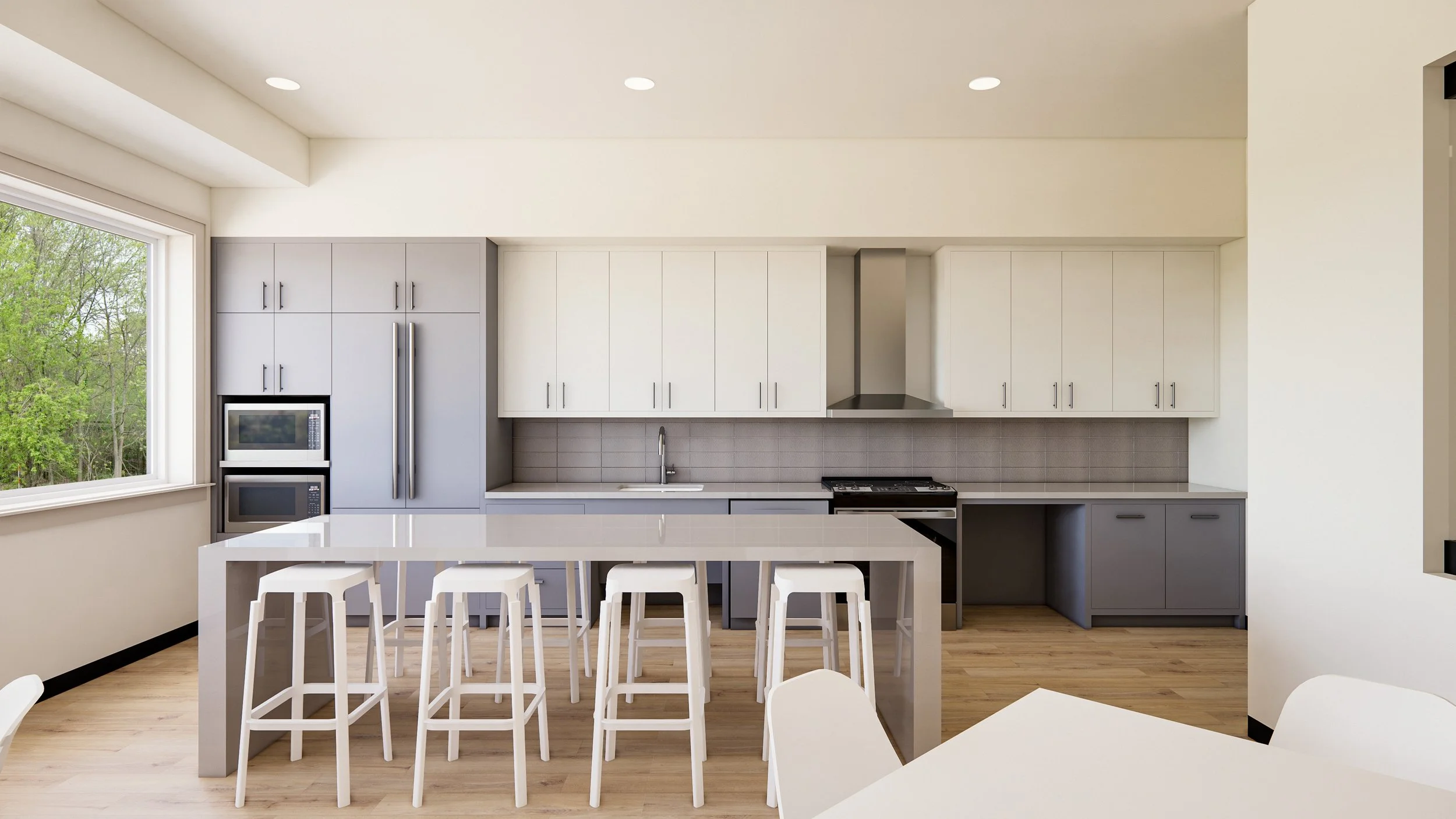
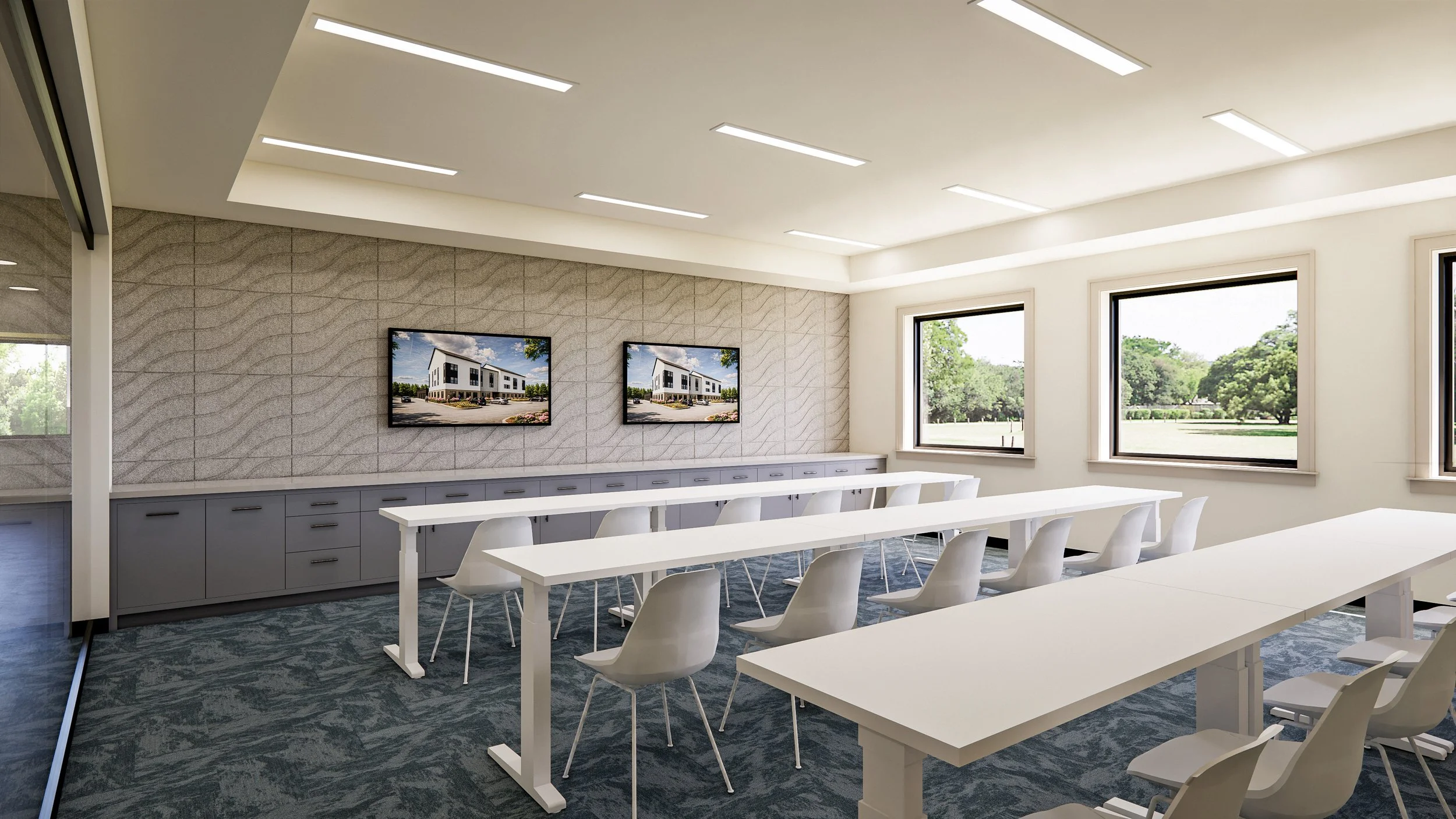
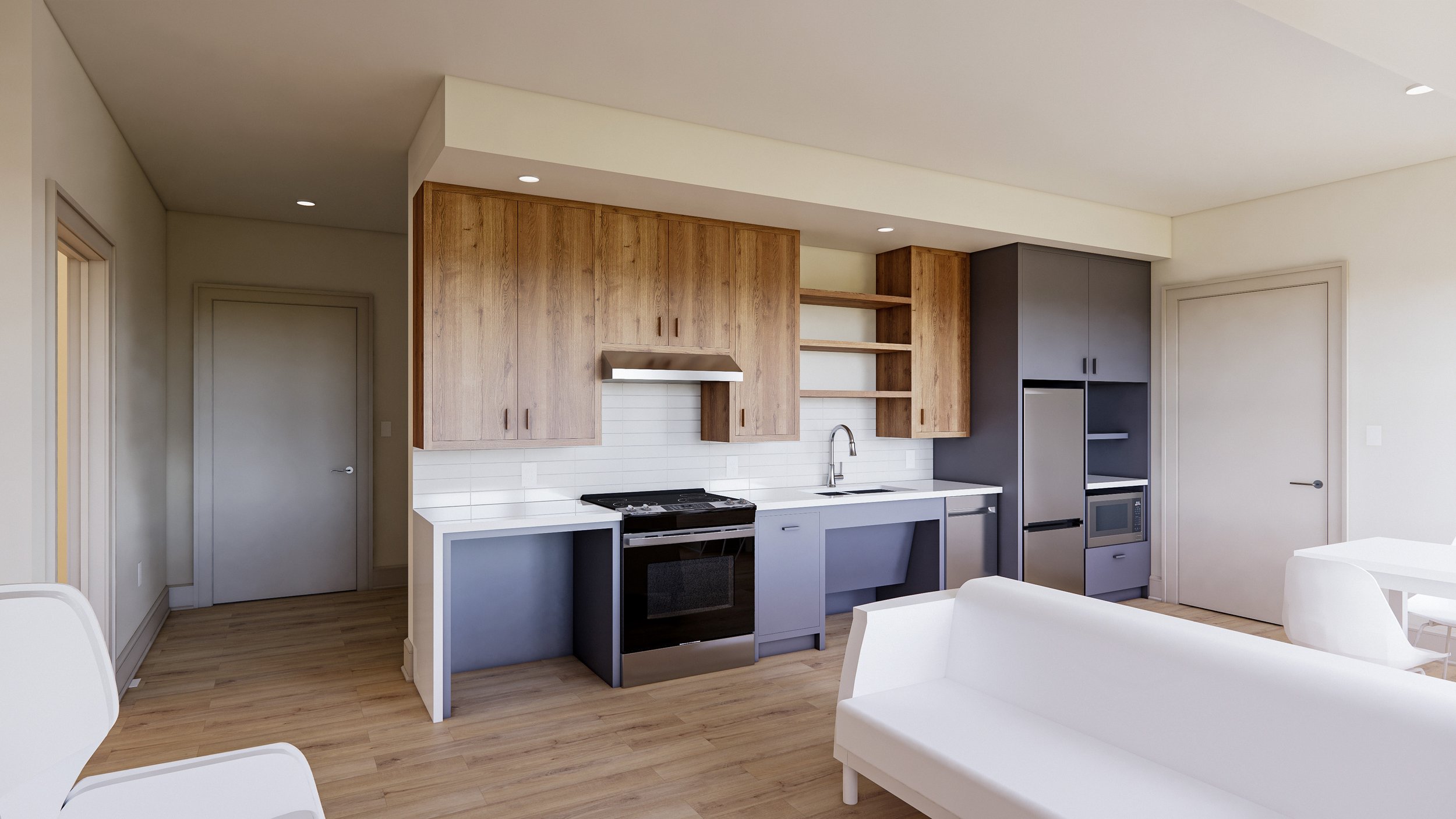
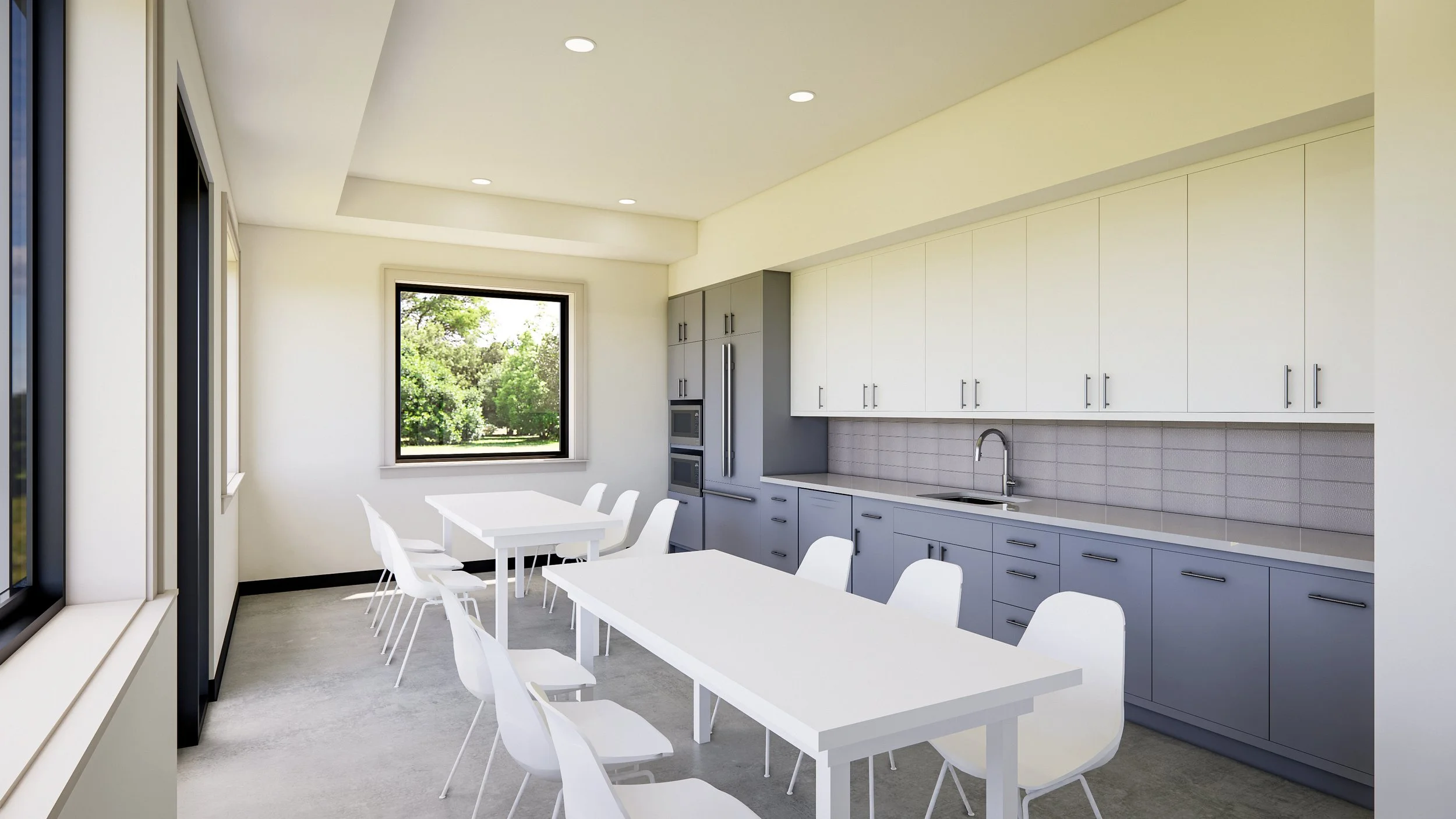
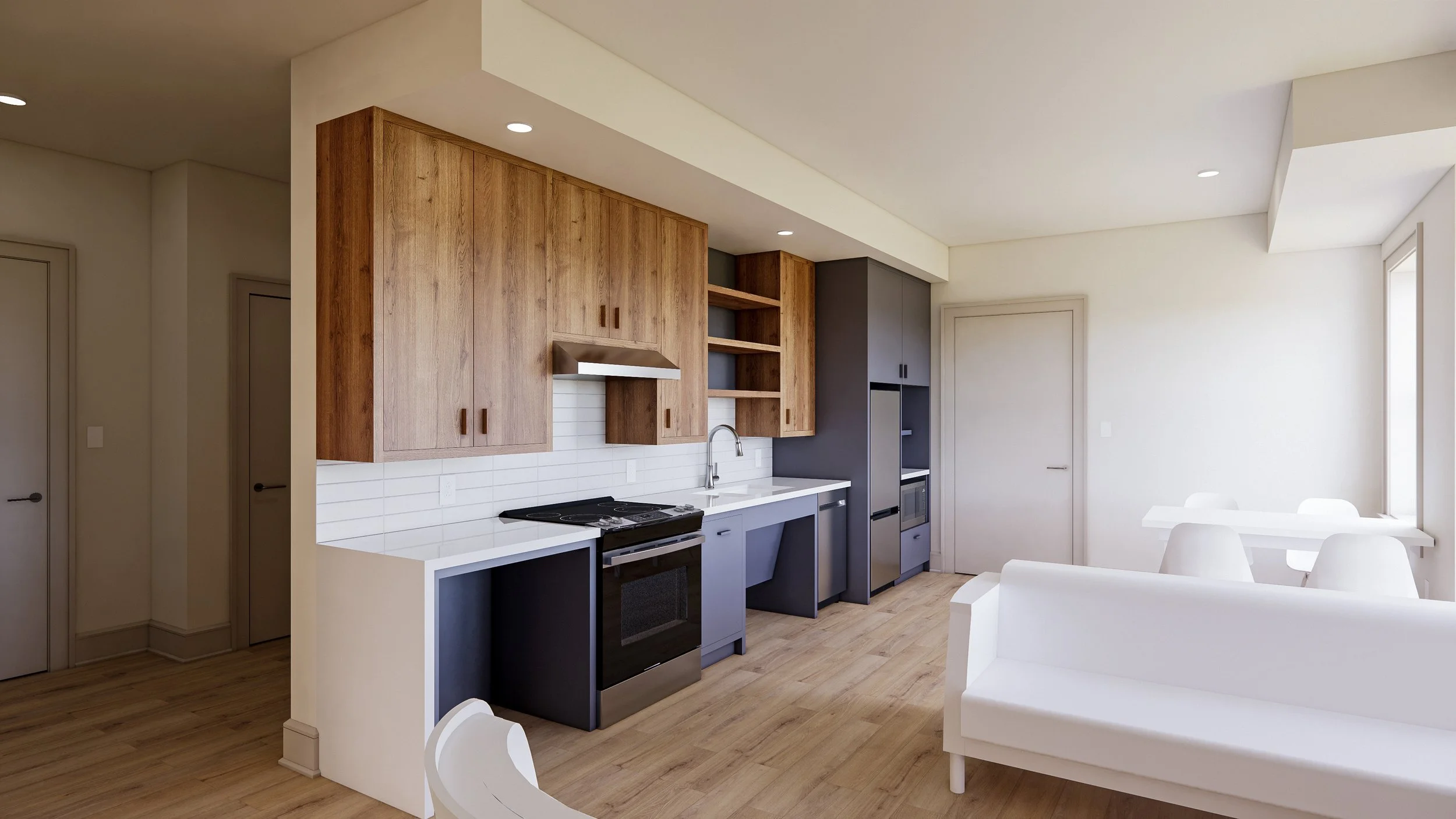
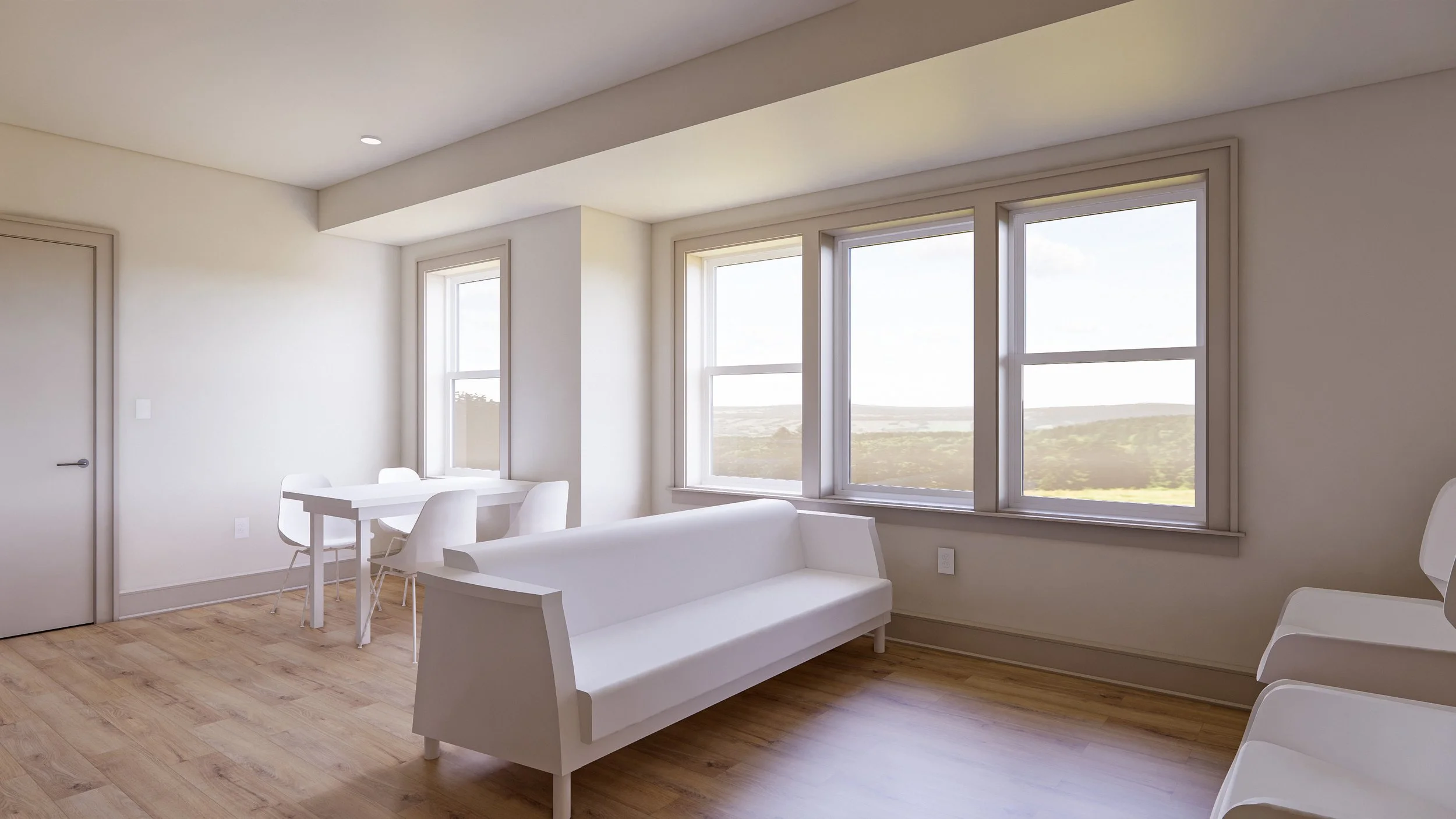
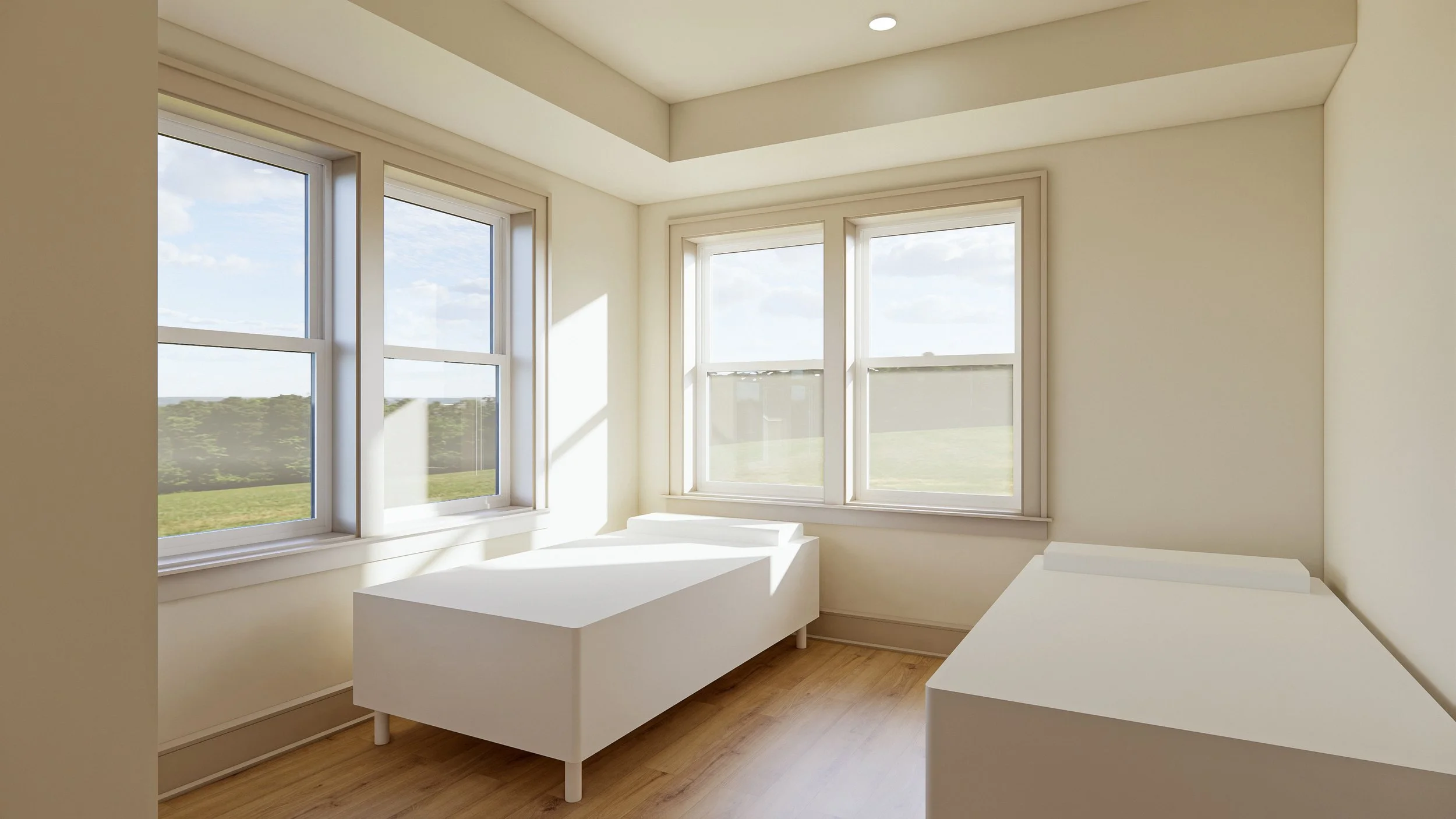
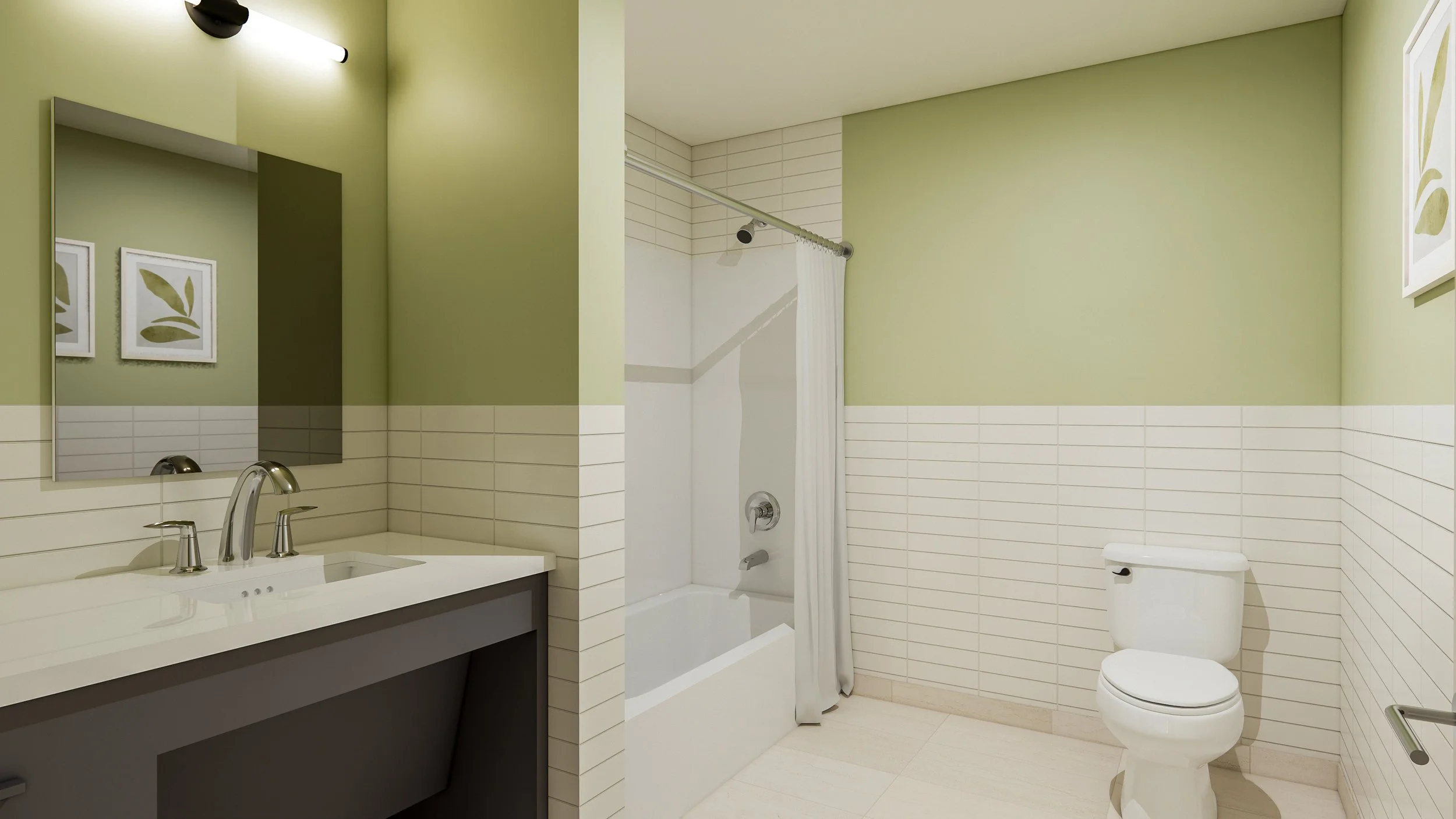
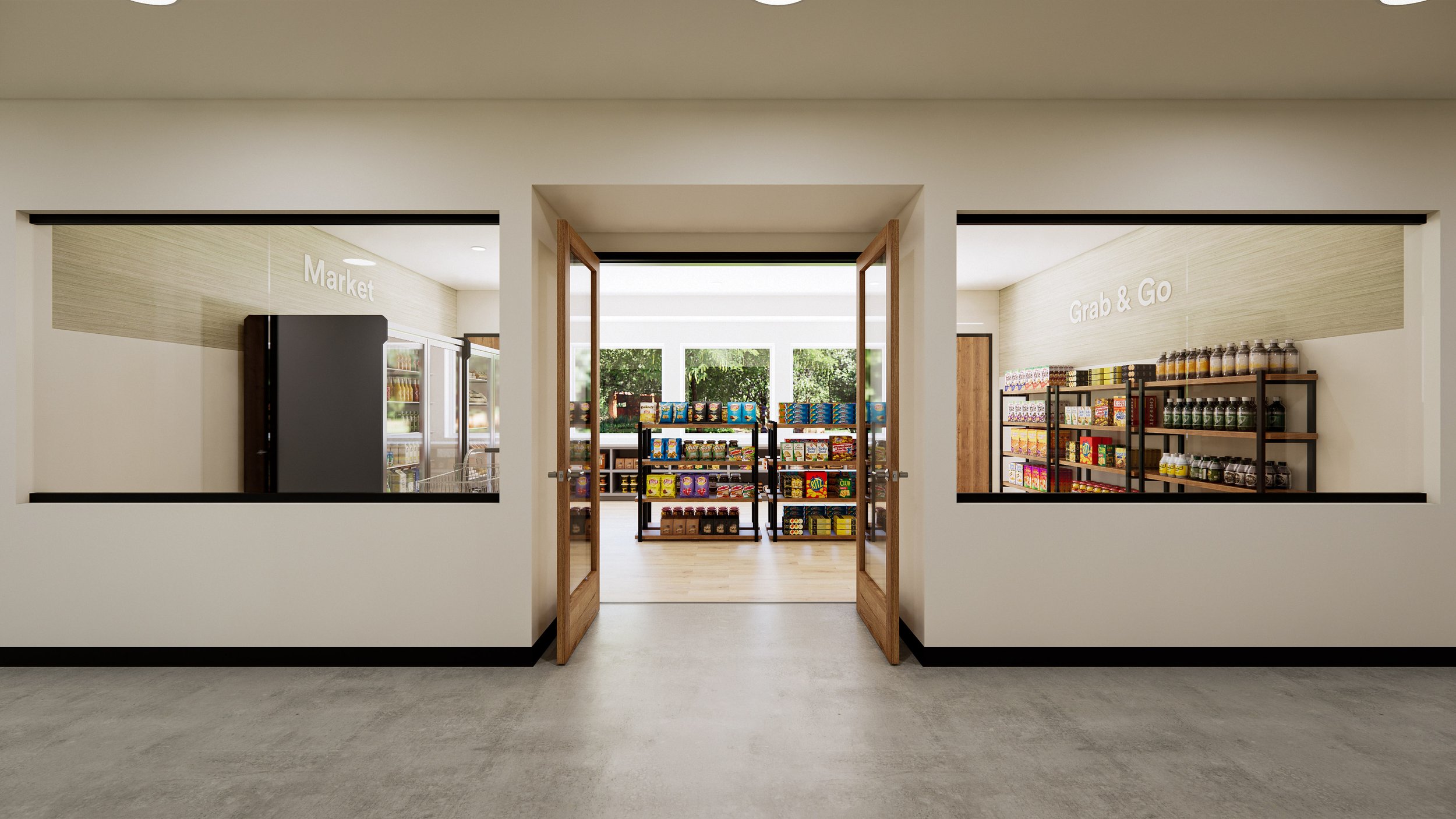
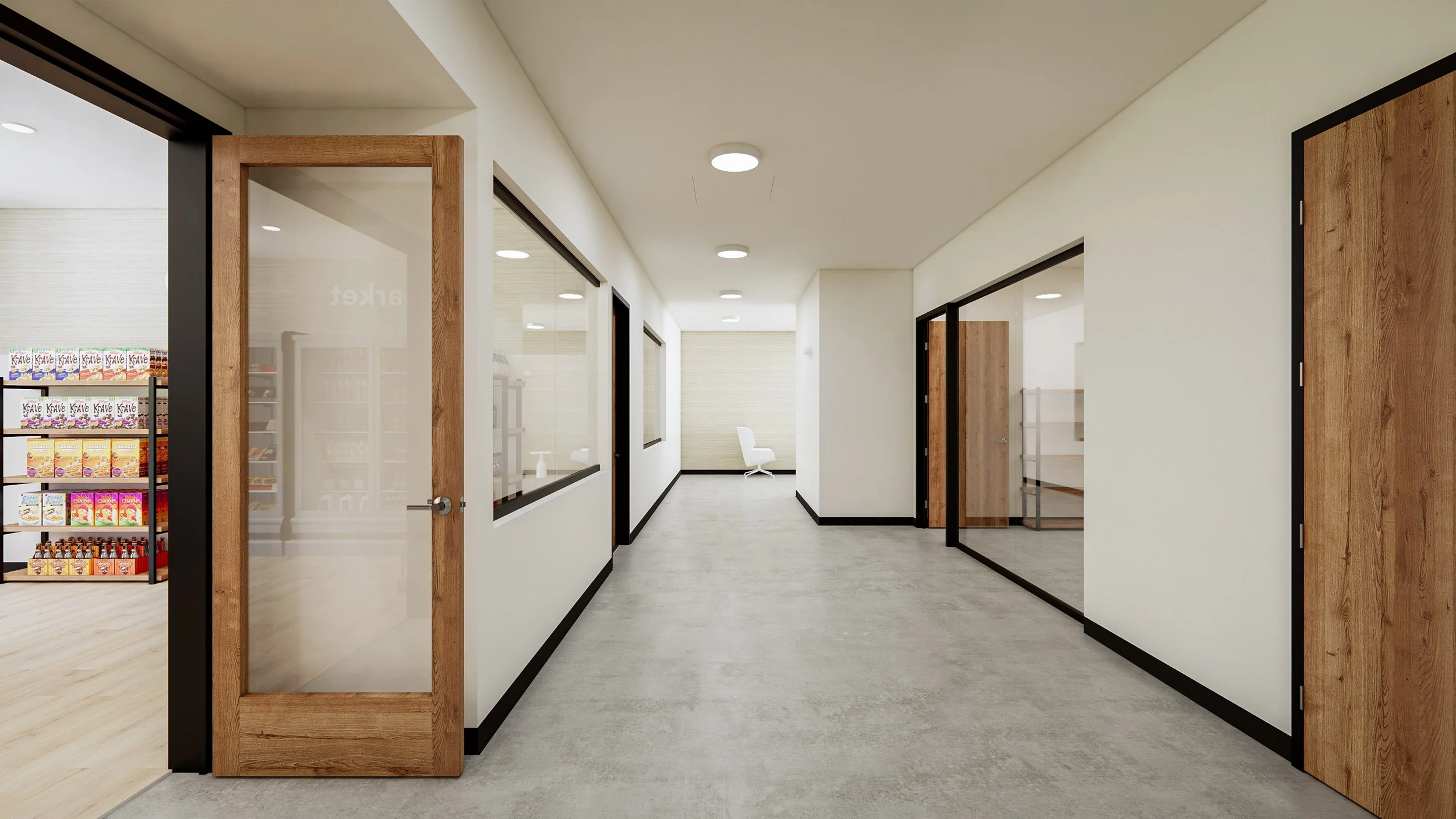
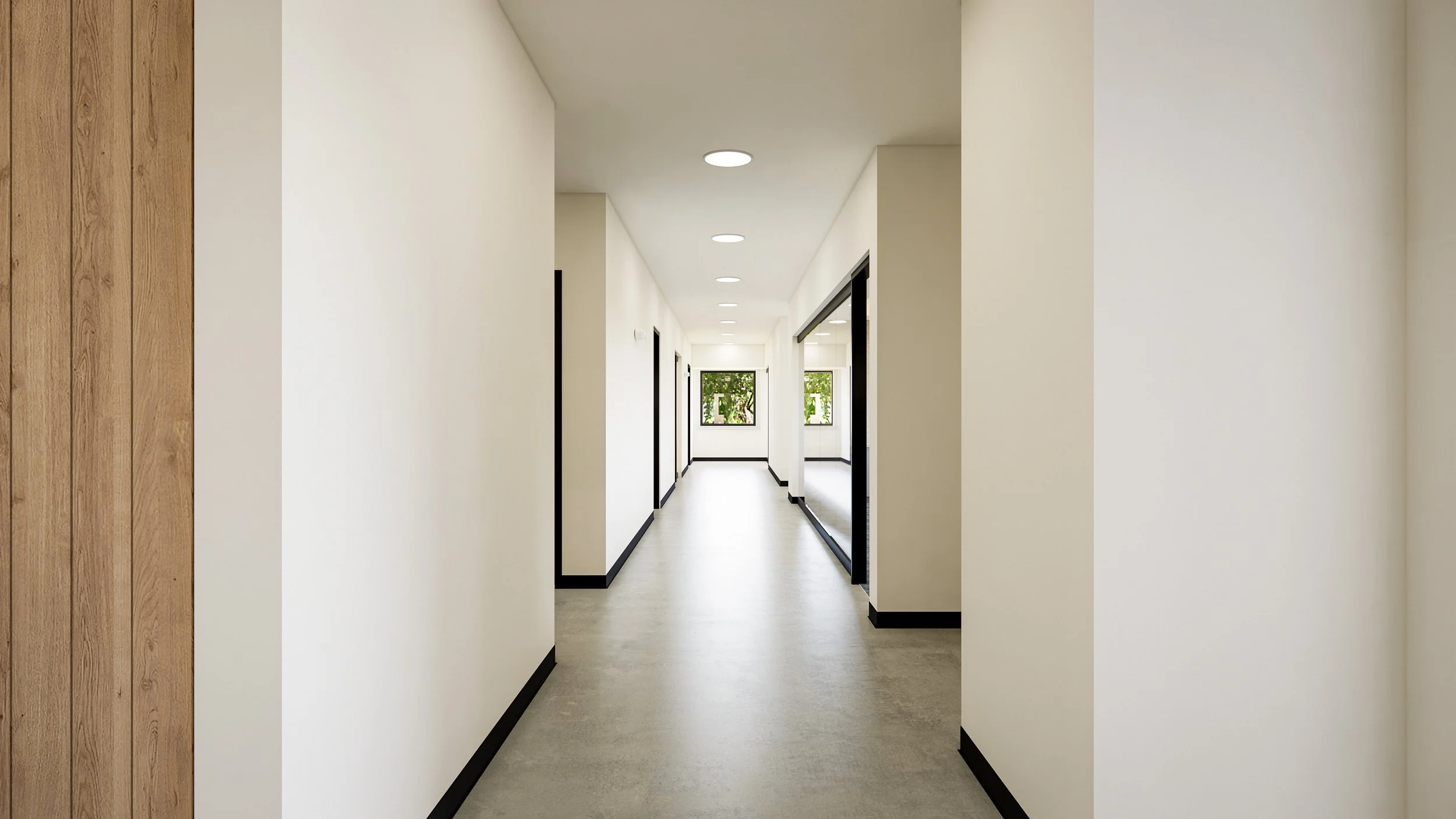
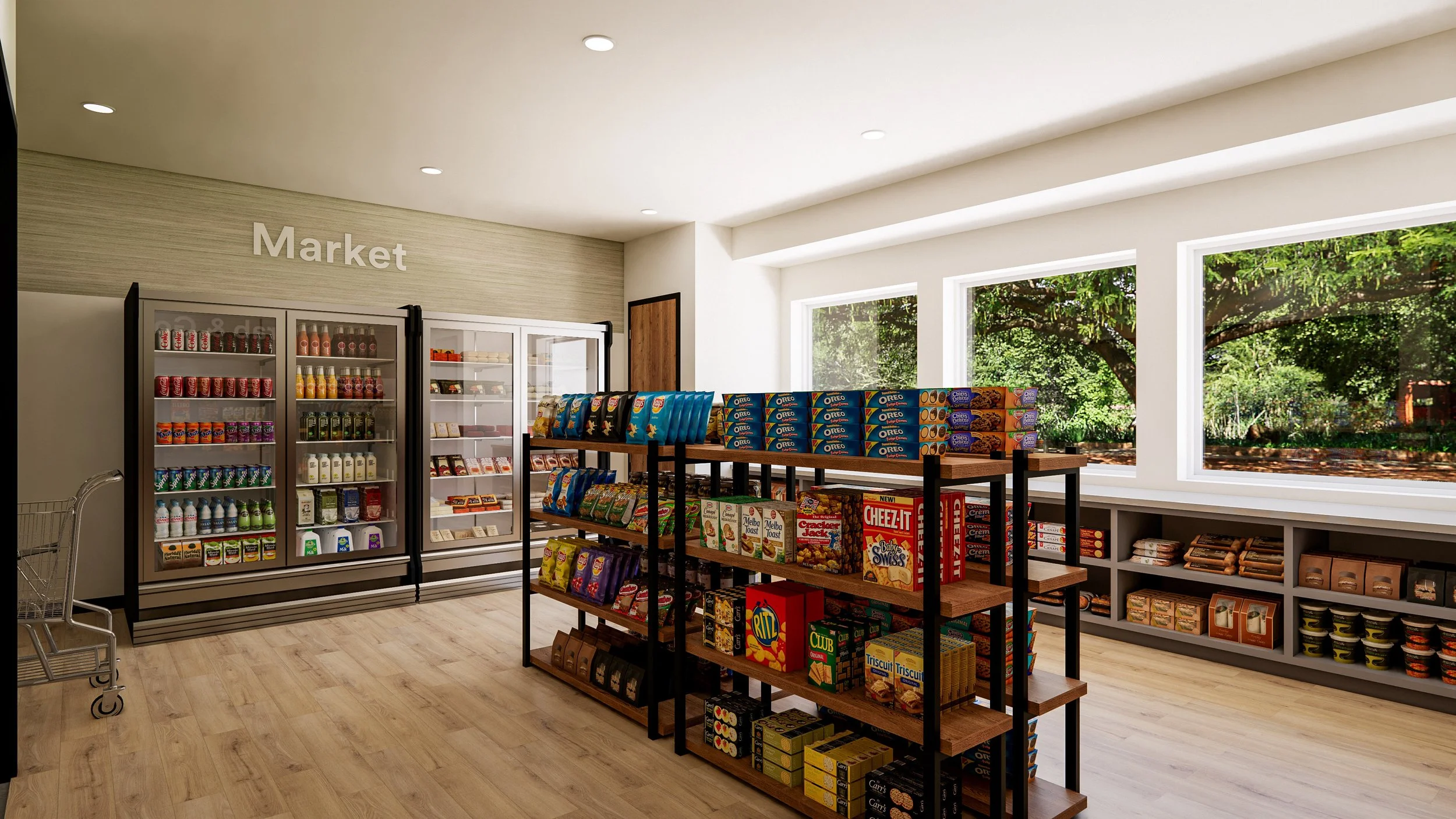
Ewert Studio partnered with 360 Communities to program and design a new shelter for victims of domestic violence in Eagan, Minnesota. The project consolidates two existing shelters into a single, purpose-built facility designed to serve fifty residents, while also providing administrative space for twenty employees and dedicated areas to support volunteers. The vision was not simply to combine programs under one roof, but to create a cohesive environment that strengthens service delivery, operational efficiency, and the overall experience of healing and recovery.The design process began with a comprehensive discovery and engagement workshop centered on trauma-informed care. Together with leadership, advocates, and staff, we explored how the built environment can meaningfully support residents who have experienced domestic violence, while also addressing the secondary trauma often carried by those who serve them. The discussions acknowledged that physical space is not neutral—it can either reinforce fear and stress or foster safety, dignity, and empowerment.Guided by these principles, the architectural response prioritizes layered security, intuitive wayfinding, and residential-scaled environments that promote calm and stability. Private and semi-private living spaces are balanced with shared community areas that encourage connection without compromising personal boundaries. Access to daylight, views to nature, soft materials, and carefully modulated acoustics contribute to a sense of refuge and control. Every spatial decision is grounded in the belief that thoughtfully designed environments can positively influence identity, self-worth, joy, and hope.Equally important was addressing the needs of staff and volunteers who experience secondary trauma through their daily work. Dedicated respite areas, restorative break rooms, and spaces for confidential debriefing and peer support are integrated into the plan. By acknowledging compassion fatigue and burnout as real occupational risks, the design seeks to create environments that sustain those who provide care. Clear adjacencies, operational efficiencies, and intentional separation between public, residential, and administrative zones support both privacy and functionality.Ultimately, this project reflects a shared commitment to creating a place where people want to be—residents, staff, and volunteers alike. The new shelter is envisioned not only as a safe haven, but as a community-centered environment that reinforces 360 Communities’ mission through architecture that is purposeful, humane, and resilient.Sustainability is foundational to the project’s purpose and long-term impact. The integration of a geothermal system, on-site solar array, and high-performance building envelope reflects a deliberate investment in both environmental responsibility and human well-being. By minimizing dependence on fossil fuels and reducing long-term operating costs, the building strengthens organizational resilience and allows more resources to be directed toward care, stability, and community support.
These strategies extend beyond technical performance; they embody the values at the heart of the mission. Together, they position the shelter as a thoughtful steward of its resources—committed not only to meeting today’s needs, but to creating lasting benefit for future generations.